Brand Name: DEXACORT
Generic Name: Dexamethasone
Preparations: .5/2/4 mg Tablets
Pharmacological Category: Steroid
Mechanism Of Action (Moa)
DEXACORT is a highly potent and long-acting glucocorticoid with negligible sodium retaining properties. Its anti-inflammatory potency is 7 times greater than prednisolone and, like other glucocorticoids, it also has anti-allergic, antipyretic and immunosuppressive properties.
It decreases inflammation by suppressing migration of polymorphonuclear leukocytes (PMNs) and reducing capillary permeability. It stabilizes cell and lysosomal membranes, increases surfactant synthesis, increases serum vitamin A concentration, and inhibits prostaglandin and proinflammatory cytokines. Also, it suppresses lymphocyte proliferation through direct cytolysis, inhibits mitosis, breaks down granulocyte aggregates, and improves pulmonary microcirculation
Pharmacokinetics
Absorption: Well-absorbed from gastrointestinal tract
Peak Plasma Time: 1-2 hours
Protein Binding: About 77%
Metabolism: Liver (mainly) but also in kidney
Distribution: Rapidly distributed to all body tissues, cross the placenta, may be excreted in small amounts in breast milk
Mean Plasma Half-life: 3.6±0.9 hours
Excretion: Urine (mainly), faeces (minimally)
Indications And Dosage
The initial dosage of Dexamethasone usually varies from 0.5 to 10 mg daily, depending on the disease being treated. In more severe disease conditions, doses above 10 mg per day may be required. The dose should be titrated to the individual patient response and disease severity until satisfactory. In order to minimise side effects, the lowest effective possible dosage should be used.
- Cerebral oedema: Initial dose and duration of treatment depending on the cause and severity, 6-16 mg (up to 24 mg) / day orally, divided into 3-4 individual doses.
- Acute asthma: Adults: 16 mg / day for two days. Children: 0.6 mg / kg body weight for one or two days.
- Croup: Children: 0.15 mg/kg – 0.6 mg/kg in a single dose.
- Acute skin diseases: Depending on the nature and extent of the disease daily doses of 8-40 mg, in some cases up to 100 mg, which should be followed by down titration according to clinical need.
- Active phase of rheumatic system disorders: Systemic lupus erythematosus 6-16 mg / day.
- Active rheumatoid arthritis with severe progressive course form: running at fast destructive forms 12-16 mg / day, with extra-articular manifestations 6-12 mg / day.
- Idiopathic thrombocytopenic purpura: 40 mg for 4 days in cycles.
- Tuberculous meningitis: Patients with grade II or III disease received intravenous treatment for four weeks and then oral treatment for four weeks, starting at a total of 4 mg per day and decreasing by 1 mg each week. Patients with grade I disease received two weeks of intravenous therapy and then four weeks of oral therapy (0.1 mg/kg/day for week 3, then a total of 3 mg/day, decreasing by 1 mg each week).
- Palliative treatment of neoplastic diseases: Initial dose and duration of treatment depending on the cause and severity, 3-20 mg / day. Very high doses up to 96 mg may also be used for palliative treatment. For optimal dosing and reduction of the number or tablets the combination of lower dose strengths (4 and 8 mg) and higher dose strengths (20 mg or 40 mg) can be used.
- Prophylaxis and treatment of emesis induced by cytostatics, emetogenic chemotherapy within antiemetic treatment: 8-20 mg dexamethasone prior to chemotherapy treatment, then 4-16 mg/day on day 2 and 3.
- Prevention and treatment of postoperative vomiting, within antiemetic treatment: single dose of 8 mg before the surgery.
- Treatment of symptomatic multiple myeloma, acute lymphocytic leukemia, acute lymphoblastic leukemia, Hodgkin’s disease and non-Hodgkin’s lymphoma in combination with other medicinal products: the usual posology is 40 mg or 20 mg once per day.
Dosage Modifications
Renal impairment: Patients undergoing active hemodialysis may show an increased clearance of drug via the dialysate and thus require an adjustment of steroid dose.
Hepatic impairment: In patients with a severe liver impairment, the biological effects of dexamethasone may be potentiated due to its slower metabolism (prolonged plasma half-life) and hypoalbuminaemia (increased plasma levels of free drug), which may also cause more side effects.
Elderly: Treatment of elderly patients, particularly if long term, should be planned bearing in mind the more serious consequences of the common side effects of corticosteroids in old age (osteoporosis, diabetes mellitus, hypertension, reduced immunity, psychological changes). In such patients, the plasma concentrations of dexamethasone may be higher and its excretion slower than in younger patients, therefore its dose should be reduced accordingly.
Paediatric population: The excretion of dexamethasone is approximately equal in children and adults if dosage is adjusted to their body area. Dosage should be planned bearing in mind possible effects upon growth and development and for signs of adrenal suppression.
Long-term treatment: For the long-term treatment of several conditions, after initial therapy, glucocorticoid treatment should be switched from dexamethasone to prednisone/prednisolone to reduce suppression on the function of the adrenal cortex.
Discontinuation of treatment: Acute adrenocortical failure may occur after abrupt discontinuation of long-term treatment with large doses of glucocorticoids. Therefore, glucocorticoid doses should be gradually reduced in such cases and treatment should be discontinued gradually.
Administration: DEXACORT should be taken with or after food to minimise irritation to the gastrointestinal tract. Drinks containing alcohol or caffeine should be avoided.
Side Effects
Frequency Not Defined
Infections and infestations: Increased susceptibility to, or exacerbation of, infections (including septicaemia, tuberculosis, eye infections, chickenpox, measles, fungal and viral infections) with masking of clinical symptoms, opportunistic infections
Blood and lymphatic system disorders: Leukocytosis, lymphopenia, eosinopenia, polycythemia, abnormal coagulation
Immune system disorders: Hypersensitivity reactions including anaphylaxis, immunosuppression
Endocrine disorders: Suppression of the hypothalamic-pituitary- adrenal axis and induction of Cushing’s syndrome, secondary adrenal and pituitary insufficiency (especially in stress such as trauma or surgery), growth suppression in infancy, childhood and adolescence, menstrual irregularity and amenorrhoea, hirsutism
Metabolism and nutrition disorders: Weight gain, negative protein and calcium balance, increased appetite, sodium and water retention, potassium loss, hypokalemic alkalosis, manifestations of latent diabetes mellitus, impaired carbohydrate tolerance with increased dose requirements of antidiabetic therapy, hypercholesterolaemia, hypertriglyceridaemia
Psychiatric disorders: Psychological dependence, depression, insomnia, aggravated schizophrenia, mental illness, from euphoria to manifest psychosis
Nervous system disorders: Increased intracranial pressure with papilloedema in children (pseudotumor cerebri) usually following discontinuation of treatment; manifestation of latent epilepsy, increased seizures in overt epilepsy, vertigo, headache
Eye disorders: Elevated intraocular pressure, glaucoma, papilloedema, cataract, mainly with posterior subcapsular opacity, corneal and scleral atrophy, increased ophthalmic viral, fungal and bacterial infections, worsening of symptoms associated with corneal ulcers, chorioretinopathy, vision blurred
Cardiac disorders: Cardiac muscle rupture after recent history of myocardial infarction, congestive heart failure in predisposed patients, cardiac decompensation
Vascular disorders: Hypertension, vasculitis, increased atherosclerosis and risk of thrombosis/thromboembolism
Respiratory, thoracic and mediastinal disorders: Hiccough
Gastrointestinal disorders: Dyspepsia, abdominal distension, gastric ulcers with perforation and bleeding, peptic ulcers and haemorrhage, acute pancreatitis, ulcerative esophagitis, oesophageal candidiasis, flatulence, nausea, vomiting
Skin and subcutaneous tissue disorders: Hypertrichosis, skin atrophy, telangiectasia, striea, erythema, steroid acne, petechiae, ecchymosis, hypersensitivity reactions such as allergic dermatitis, urticaria, angioneurotic oedema, thinning hair, pigment disorders, increased capillary fragility, perioral dermatitis, hyperhidrosis, tendency to bruise
Musculoskeletal and connective tissue disorders: Premature epiphyseal closure, osteoporosis, fractures of the spine and long bones, aseptic necrosis of the femoral and the humeral bones, tendon rupture, proximal myopathy, muscle weakness, loss of muscle mass
Reproductive system and breast disorders: Impotence
General disorders: Reduced response to vaccination and skin tests; Delayed wound healing
Contraindications
Hypersensitivity, systemic infection, stomach ulcer or duodenal ulcer, vaccination with live vaccines
Warnings / Precautions
- During treatment with dexamethasone for specific physical stress conditions (trauma, surgery, childbirth, etc.), a temporary increase in dose may be required
- There is an enhanced effect of corticosteroids in patients with hypothyroidism or liver cirrhosis.
- Treatment with dexamethasone should only be implemented in the event of the strongest indications and, if necessary, additional targeted anti-infective treatment administered for the illnesses like acute viral infections (Herpes zoster, Herpes simplex, Varicella, herpetic keratitis), chronic active hepatitis, approx. 8 weeks prior through 2 weeks after vaccinations with live vaccines, systemic mycoses and parasitosis, poliomyelitis, lymphadenitis after BCG vaccination, acute and chronic bacterial infections, with a history of tuberculosis (reactivation risk) use only under tuberculostatic protection, and known or suspected Strongyloidiasis.
- In addition, treatment with dexamethasone should only be implemented under strong indications and, if necessary, additional specific treatment must be implemented for gastrointestinal ulcers, severe osteoporosis, difficult to regulate high blood pressure, difficult to regulate diabetes mellitus, psychiatric disorders (including history), angle closure glaucoma and wide-angle glaucoma, corneal ulcerations and corneal injuries, and severe heart failure
- Serious anaphylactic reactions may occur.
- The risk of tendinitis and tendon rupture is increased in patients treated concomitantly with glucocorticoids and fluoroquinolones.
- Pre-existing myasthenia gravis may initially deteriorate in the beginning of dexamethasone treatment.
- Visual disturbance may be reported with systemic and topical corticosteroid use.
- Dexamethasone must only be used under urgent indication and under appropriate monitoring for severe ulcerative colitis with threatened perforation, diverticulitis, entero-anastomosis (immediately postoperative)
- A higher need for insulin, or oral antidiabetics, must be taken into consideration when administering dexamethasone to diabetics.
- Bradycardia may occur in patients treated with high doses of dexamethasone.
- Regular blood pressure monitoring is necessary during treatment with dexamethasone, particularly during administration of higher doses and with patients with difficult to regulate high blood pressure.
- Caution should be exercised when using corticosteroids in patients who have recently suffered myocardial infarction as myocardial rupture has been reported.
- Treatment with dexamethasone can conceal the symptoms of an existing, or developing infection thereby making a diagnosis more difficult. The prolonged use of even small amounts of dexamethasone leads to an increased risk of infection, even by microorganisms which otherwise rarely cause infections (so-called opportunistic infections).
- It should be noted that the immune reaction and thereby the success of inoculation, can be affected by higher doses of corticoids. Regular check-ups are advised during long-term treatment with dexamethasone.
- At high doses, sufficient calcium intake and sodium restriction, as well as serum potassium levels should be monitored.
- Corticosteroids should be used cautiously in patients with migraine, as corticosteroids may cause fluid retention.
- Patients/and or carers should be warned that potentially severe psychiatric adverse reactions may occur with systemic steroids.
- Corticosteroids should not be used in conjunction with a head injury since they will probably not be of benefit or may even do harm.
- Patients at high risk of Tumour Lysis Syndrome, such as patients with high proliferative rate, high tumour burden, and high sensitivity to cytotoxic agents, should be monitored closely and appropriate precaution taken.
- Corticosteroids should only be administered to patients with suspected or identified pheochromocytoma after an appropriate risk/benefit evaluation.
- Glucocorticoid doses should be gradually reduced. Interruption or discontinuation of long-term glucocorticoid administration increases the risks of exacerbation or recurrence of the underlying disease, acute adrenal insufficiency, corticosteroid withdrawal syndrome, and certain viral diseases (chickenpox, measles) particularly in children and immunocompromised persons.
- Corticosteroids should only be administered to patients with suspected or identified pheochromocytoma after an appropriate risk/benefit evaluation.
- During long-term treatment with dexamethasone, the indication should be very strongly presented in children and their growth rate should be checked regularly.
- The adverse effects of systemic corticosteroids can have serious consequences especially in old age, mainly osteoporosis, hypertension, hypokalemia, diabetes, susceptibility to infection and skin atrophy. Close clinical monitoring is required to prevent life-threatening reactions.
- Glucocorticoids can suppress skin reaction to allergy testing. They can also affect the nitroblue tetrazolium test for bacterial infections and cause false-negative results.
- The use of doping tests when taking dexamethasone can lead to positive results.
- Patients on long-term dexamethasone treatment should carry a Steroid Treatment Card which gives guidance on minimising risk and provides details of prescriber, drug, dosage and duration of treatment.
Drug Interactions
- NSAIDs may increase the incidence and/or severity of gastric ulcers. Acetylsalicylic acid should be used carefully in combination with corticosteroids in hypoprothrombinaemia. The renal clearance of salicylates is increased by corticosteroids.
- Corticosteroids reduce the effect of antidiabetic agents such as insulin, sulfonylurea, and metformin. Hyperglycaemia and diabetic ketoacidosis may occur occasionally.
- Before the start of corticosteroid treatment, hypokalemia should be corrected and patients should be monitored clinically, for electrolytes and by electrocardiography.
- Carbenoxolone increases the risk of hypokalemia.
- Concomitant administration with chloroquine, hydroxychloroquine and mefloquine increases risk of myopathies and cardiomyopathies.
- Concomitant administration of ACE inhibitors creates an increased risk of blood disorders.
- The blood pressure-lowering effects of antihypertensive drugs may be affected by corticosteroids. The dose of the anti-hypertensive treatment may have to be adjusted during the treatment with dexamethasone.
- Great care should be taken during co-administration with thalidomide, as there have been reported cases of toxic epidermal necrolysis.
- The effect of vaccinations may be reduced during treatment with dexamethasone.
- Concomitant use of cholinesterase inhibitors and corticosteroids may cause serious muscle weakness in patients with myasthenia gravis.
- The risk of tendinitis and tendon rupture is increased in patients treated concomitantly with glucocorticoids and fluoroquinolones.
- The administration of dexamethasone with inducers of CYP3A4, such as ephedrine, barbiturates, rifabutin, rifampicin, phenytoin, and carbamazepine can lead to reduced plasma concentrations of dexamethasone, so the dose must be increased.
- Aminoglutethimide can accelerate the reduction of dexamethasone and reduce its efficacy. If necessary, the dexamethasone dosage should be adjusted.
- Bile acid resins, such as cholestyramine, may decrease the absorption of dexamethasone.
- Topically applied gastrointestinal drugs, antacids, activated charcoal decreases dexamethasone resorption. Therefore, the administration of glucocorticoids and topically applied gastrointestinal drugs, antacids, activated charcoal should be postponed (with an interval of at least two hours).
- The administration of dexamethasone with inhibitors of CYP3A4, such as azole antifungals (e.g. ketoconazole, itraconazole), HIV protease inhibitors (e.g. ritonavir) and macrolide antibiotics (e.g. erythromycin) may lead to increased plasma concentrations and reduced clearance of dexamethasone.
- Co-treatment with CYP3A inhibitors, including cobicistat-containing products, is expected to increase the risk of systemic side-effects.
- Ketoconazole may not only increase the plasma concentration of dexamethasone by inhibition of CYP3A4, but also suppress adrenal corticosteroid synthesis and cause adrenal insufficiency upon discontinuation of corticosteroid treatment.
- Estrogens, including oral contraceptives, may inhibit the metabolism of certain corticosteroids and thus enhance their effect.
- Dexamethasone is a moderate inducer of CYP3A4. The administration of dexamethasone with substances metabolized by CYP3A4 can lead to increased clearance and decreased plasma concentrations of these substances.
- Patients taking isoniazid should be monitored closely.
- Concomitant administration of cyclosporine and corticosteroids may lead to an increased effect of both substances. There is an increased risk of cerebral seizures.
- Reduced praziquantel plasma concentrations create a risk of treatment failure due to the increased hepatic metabolism of dexamethasone.
- Concomitant corticosteroid therapy may either potentiate or lead to a weakening of the effect of oral anticoagulants.
- Co-administration of atropine and other anticholinergics with dexamethasone may increases intraocular pressure.
- The muscle relaxing effect non-depolarizing muscle relaxants may last longer.
- The effect of the growth hormone can be reduced.
Pregnancy Category: Dexamethasone crosses the placenta. Dexamethasone should be prescribed during pregnancy, and particularly in the first trimester, only if the benefit outweighs the risks for the mother and child.
Presentations
DEXACORT 0.5: 20X10’s
DEXACORT 2 : 10X10’s
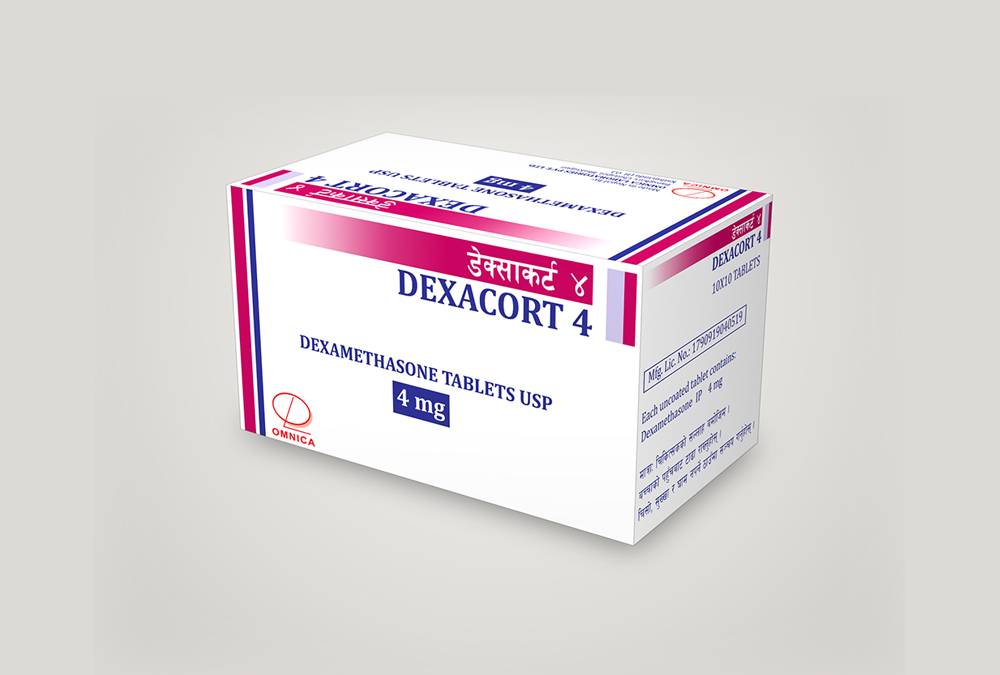
DEXACORT 4 : 10X10’s